The Truth About Cashing In: Maximizing Your Profit from Gold and Silver
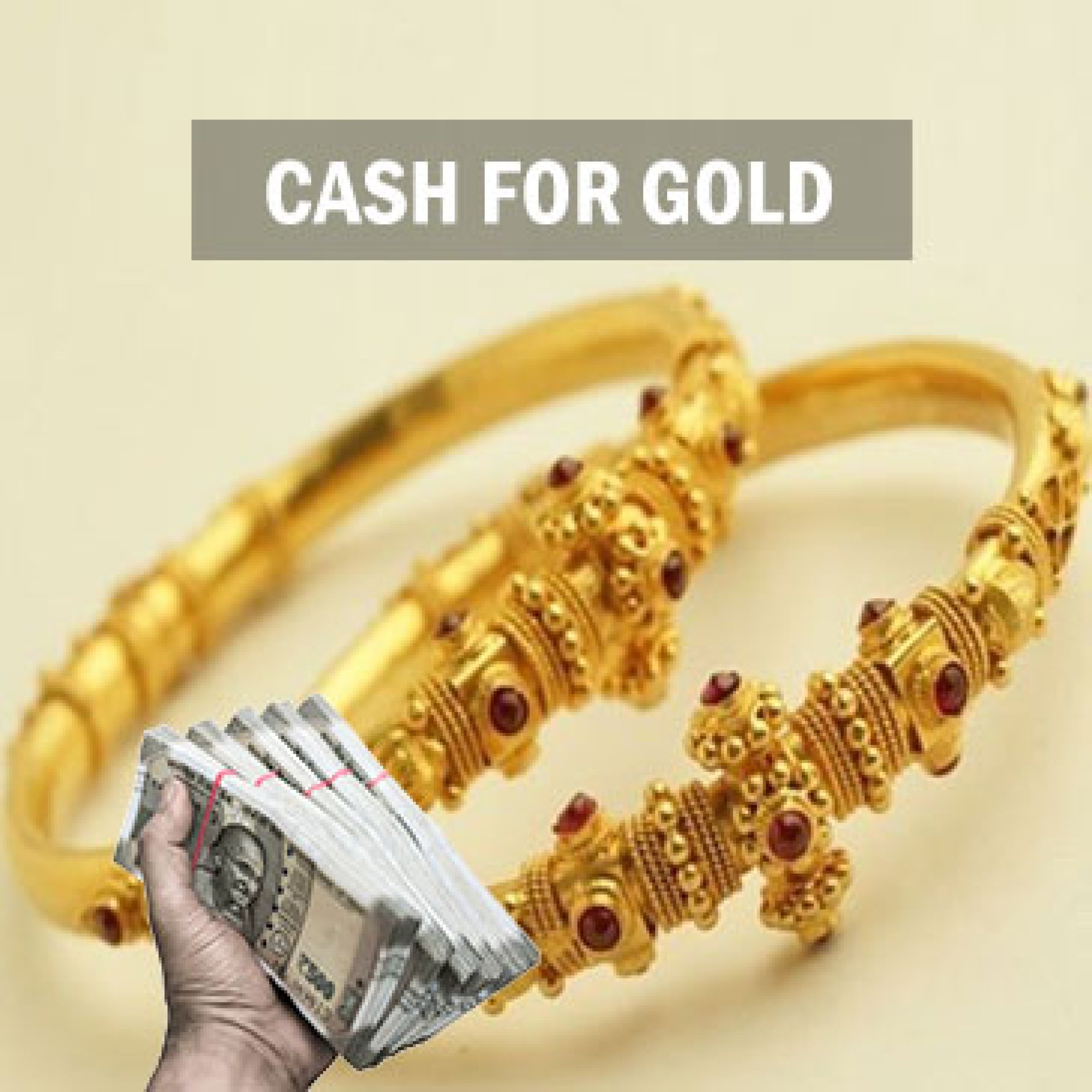
The answer is a resounding yes. That dormant jewellery is a unique asset, a tangible store of value waiting to be unlocked. However, the process of converting gold and Cash for silver into cash is fraught with confusion and the fear of being shortchanged. This guide cuts through the noise to deliver the honest truth on how to navigate this landscape and ensure you walk away with the maximum profit you deserve.
Truth #1: Its Not About Artistry, Its About Purity
This is the first and most crucial lesson. The sentimental value of a piece is priceless, but its cash value is calculated coldly and scientifically. When you sell gold or silver for cash, you are selling it as a commodity, not as a piece of art or jewellery.
The value is determined by two primary factors:
Weight: The actual mass of the precious metal.
Purity: Measured in karats for gold (e.g., 24K, 22K, 18K) or as a percentage (.925 for sterling silver).
A heavy, high-karat piece will always be worth more than a delicate, low-karat one, regardless of how intricate the design is. The first step is to honestly assess your items. Look for hallmarksthe tiny stamps indicating karat (e.g., 916 for 22K, 750 for 18K) or the word STERLING. This knowledge is your first shield against lowball offers.
Truth #2: Knowledge is Power (and Profit)
You would never sell your car without knowing its approximate market value. The same ruthless diligence applies to precious metals.
Know the Spot Price: The spot price is the current market price for one troy ounce of pure (24K) gold or silver. This is the foundational number. Check reputable financial news websites or apps for the live spot price on the day you plan to sell.
Do the Math: Once you know the spot price and your items purity, you can calculate its melt valuethe raw value of the metal if it were melted down. While you wont get 100% of the melt value (refiners and buyers need a margin), this number gives you a powerful benchmark. Any final offer should be a respectable percentage of this value.
Truth #3: Your Buyer Matters Choose Wisely
All cash for gold businesses are not created equal. Here are your main options:
Local Jewellery Stores: Offers convenience and immediate payment. However, their overheads are high, which might reflect in a lower offer. Get quotes from multiple stores.
Specialized Gold Buyers/Refineries: These are often the best bet for maximizing value. They operate on larger volumes and have lower overheads, allowing them to offer a higher percentage of the melt value. Many offer secure mail-in services with insurance.
Online Bullion Dealers: Reputable online dealers have streamlined processes and competitive rates. They send you a secure kit, you send your items, they assay (test) them, and make a firm offer. You can typically reject the offer and have your items returned.
Pawn Shops: Generally considered the last resort. They are lending you money against the items value, not buying it outright, so their offers are often the lowest.
The Golden Rule: Always get multiple quotes. An offer that seems fair in isolation might look poor when compared to two others. A legitimate buyer will never pressure you to accept an offer on the spot.
Truth #4: The Process Demands Transparency
A reputable buyer will conduct their evaluation in front of you (if in-person) or with complete transparency (if mail-in). They will:
- Test the metal for purity (often with an electronic tester or acid test).
- Weigh it on a calibrated scale clearly showing you the grams or troy ounces.
- Clearly explain their calculation based on the days rate.
If a buyer is secretive, refuses to show you weights, or uses vague terminology, walk away. It's a scam.
The Final Verdict: Your Hidden Treasure Awaits
That unused gold and silver is more than just forgotten trinkets; its an untapped financial resource. By accepting the truth that its a commodity, arming yourself with knowledge of its value, and carefully selecting a transparent and reputable buyer, you transform a potentially stressful process into a smart financial decision.